


Building a Reliable Tubing System

Building a Reliable Tubing System: What Really Matters
Tubing systems play a crucial role in transporting fluids. A well-designed and properly maintained tubing system ensures operational safety, efficiency, longevity, and eliminates fugitive emissions and the risk of loss-of-containment. Here is a quick guide to best practices for building a reliable tubing system.
- Material Selection
Choosing the right material for your tubing system is fundamental to its reliability. As temperature changes, metals lose some ductility. The NACE MR0175/ISO 15156 standard describes suitable materials for sour environments in oil and gas production, including 316 stainless steel, 6 Moly alloys, 2507, 825, 625, C-276 and Alloy 400. These materials have specific application and environmental limitations which are listed in this standard.
Chemical Resistance: Ensure tubing material is compatible with the fluids or gases it will transport and the environment it is installed in.
Pressure & temperature range: Choose materials that can handle pressure and temperature swings without degradation or loss of properties.
- Design considerations
Effective fluid system design means paying attention to flow dynamics, solid support for tubing and components, and an accessible layout, ensuring reliable performance, easy maintenance, and long-term integrity.
Flow dynamics: Design must account for impulse, vibration, and shock stresses. Swagelok’s two-ferrule fittings help absorb these forces, and proper tube wall thickness and material selection are essential for maintaining system integrity under dynamic conditions.
Support: Tubing should be supported near bends and heavy components to prevent sagging and stress. Use resilient clamps and follow spacing guidelines to minimize vibration and prolong system life.
Accessibility: Design with maintenance in mind and make sure fittings are easy to reach. Keep tubing out of spots where someone might treat it like a handrail or footrest and bonus points for placing fittings outside insulation or with access windows.
- Installation techniques
Even the best system can flop if it’s installed wrong. Tubing that is routed into a fitting at anything other than straight will exert what is known as a side load, leading to leakages, blow-out and potential stress fractures which is one of the leading causes of tubing failure.
The Energy Institute guidelines stresses that small bore tubing needs trained hands, the right tools, and proper procedures. Think neat bends, solid seals, good support, and vibration control.
- Training
Certified training gives pros the hands-on know-how for tube prep, bending, and fitting installs, boosting reliability, cutting leaks, and keeping things safe.
Inspection Training also equips the technicians and engineers with the skills to accurately inspect tubing system installations, helping to minimize leakage risks and ensure system integrity. The result? Safer systems, fewer leaks, and confident teams that keep fluid systems running like a dream.
Conclusion
Building a reliable tubing system requires careful consideration of materials, design, installation and maintenance practices. Following industry standards and working with trusted experts reduces leaks, improves safety, and extends system life.
As technology evolves, regular reviews of your tubing practices are essential, and investing in training and inspection boosts efficiency, ensures compliance, and delivers a safe, high-performing fluid system.
Featured Articles
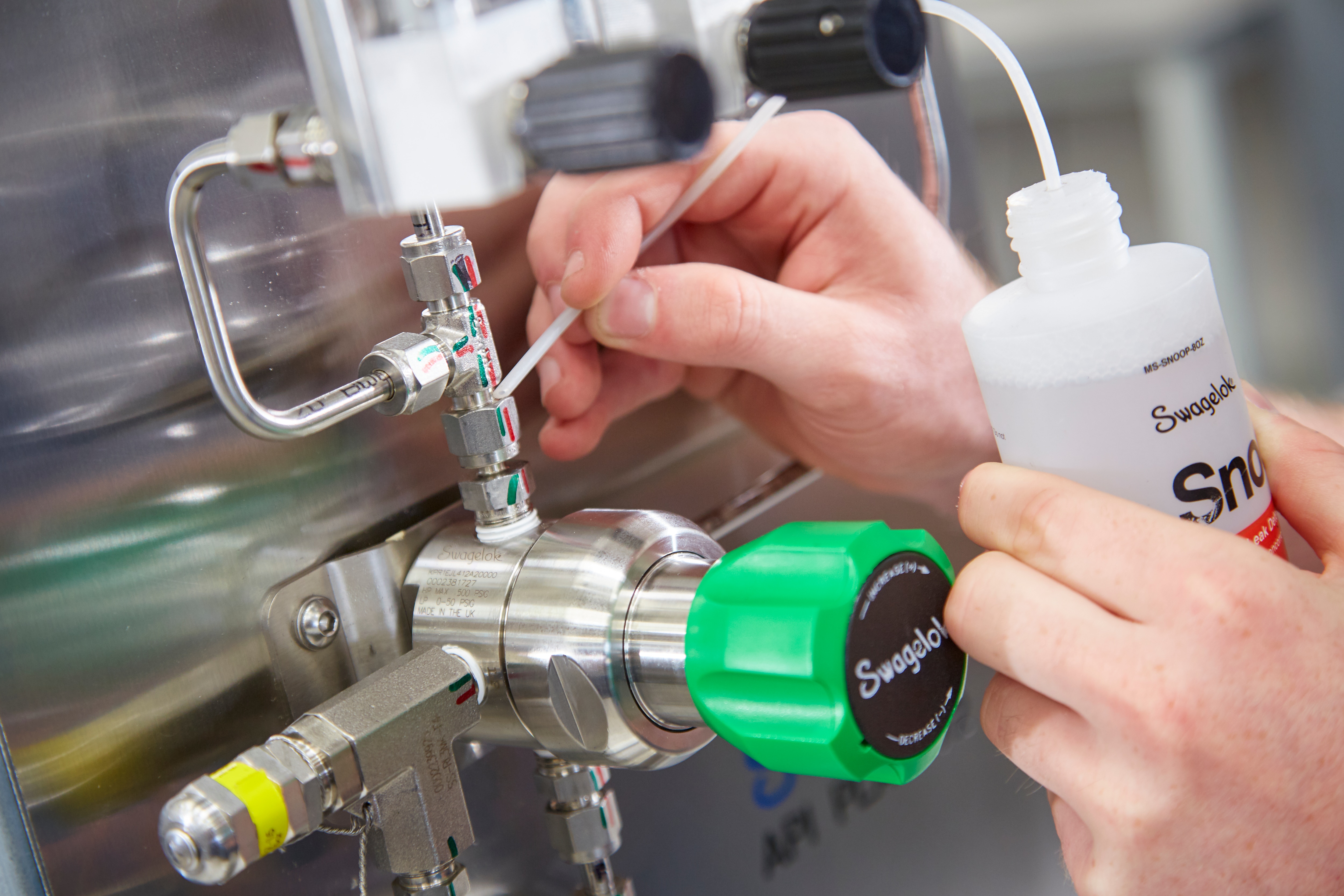
How to Conduct a Comprehensive Leak Check in Industrial Settings
Learn how to perform a thorough leak check in industrial settings, focusing on safety and accuracy. Essential steps and tips for maintaining operational integrity.
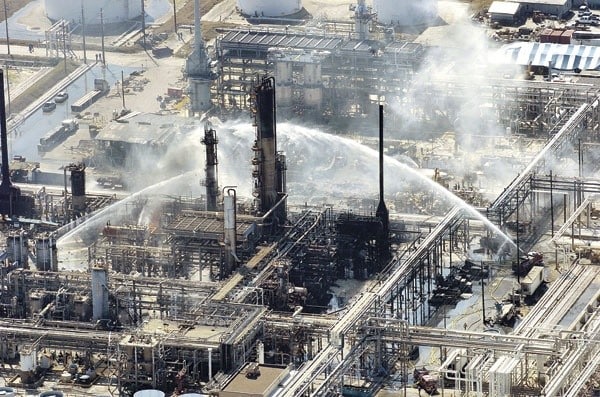
Lessons from History: Why Instrumentation Training Prevents Tragedies
Read more about a refinery explosion and understand how one lapse in training, instrumentation or safety practices can have devastating consequences.
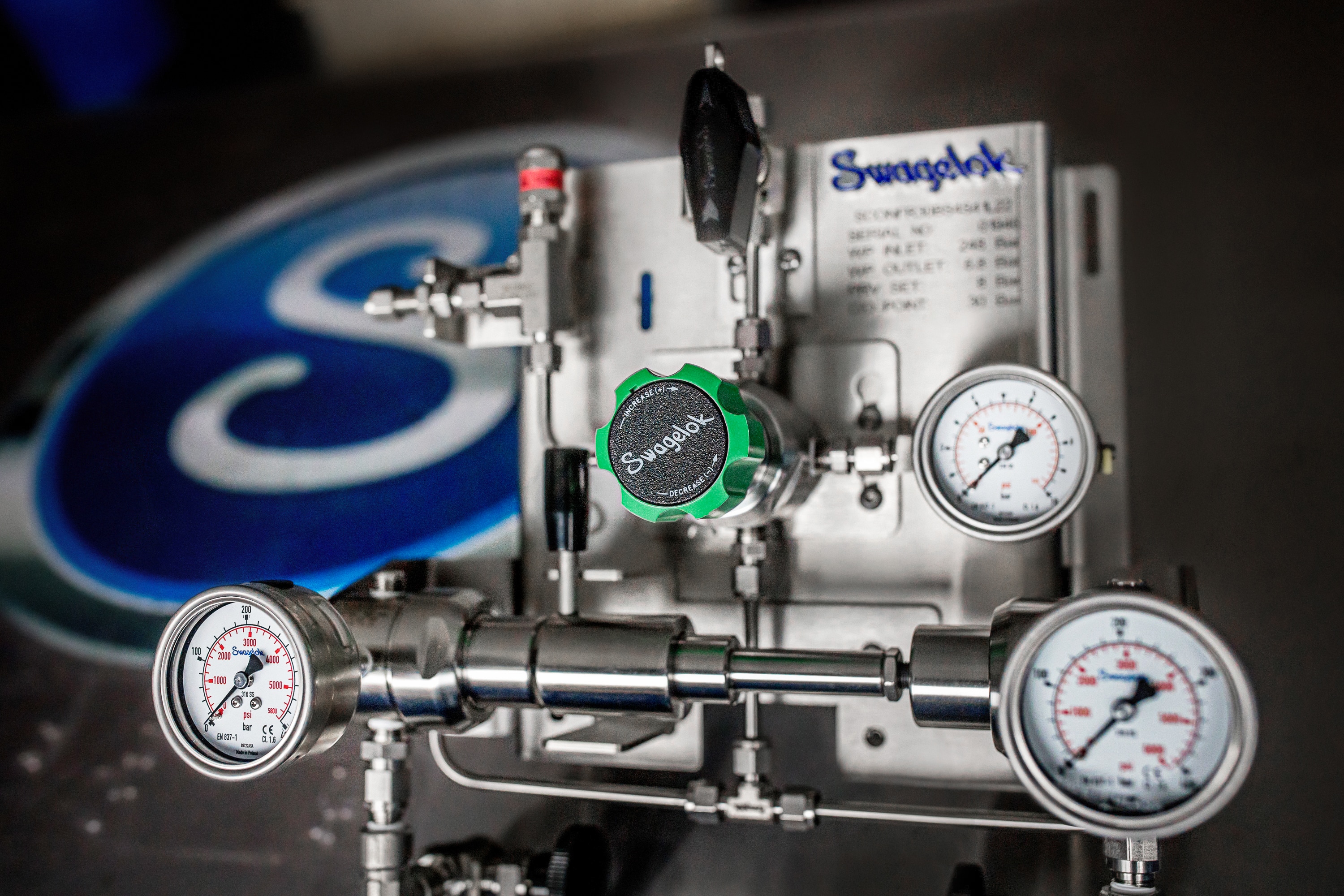
Gas Panel Installation: Key Considerations for Safety and Efficiency
Explore key considerations for gas panel installation, focusing on safety and efficiency. Essential tips for ensuring a secure and effective gas system setup.
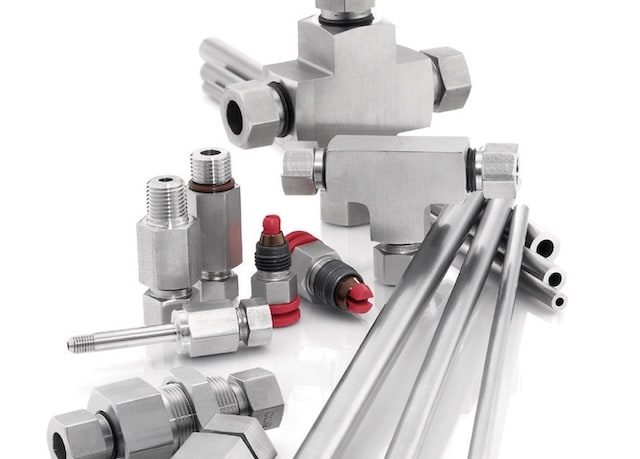
Top 5 Benefits of Medium-Pressure Fittings for Critical Industrial Applications
Read our blog and learn more about the advantages of our medium-pressure fittings and why they are recommended in critical industrial applications.
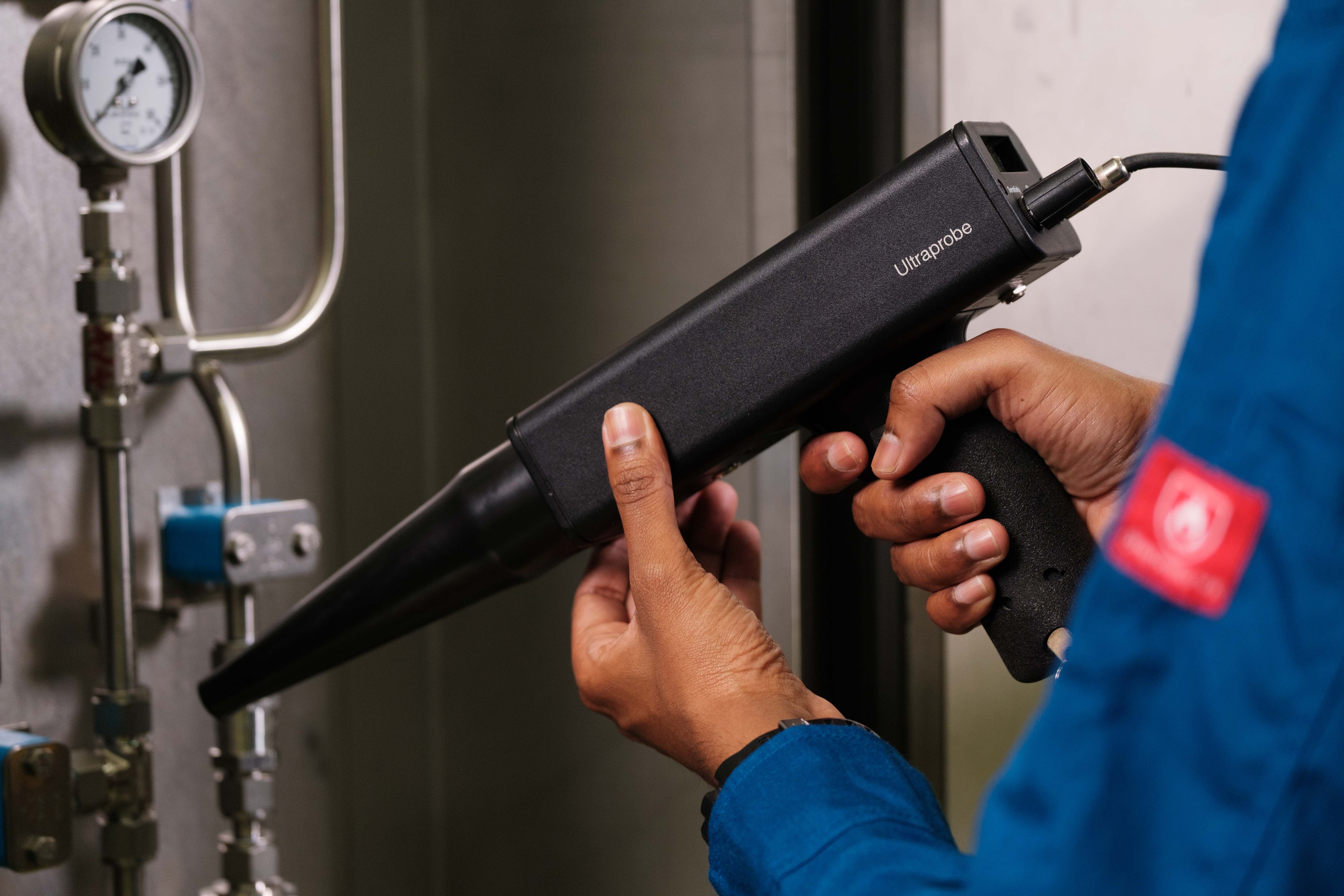
Understanding Gas Leak Detection Services: Importance and Best Practices
Discover the critical importance of gas leak detection services and learn best practices for ensuring safety. Essential insights for protecting your business.

The Safety Advantage: How Instrumentation Training Saves Lives in Hazardous Environments
Read our latest blog to learn how Swagelok instrumentation training saves lives and why it should be a priority in your operations.